

Preparing for 2026: What Biological Products Companies Need to Know About the Political and Legislative Landscape
Preparation is Important
The Best thing you can do right now is prepare for after November 26.
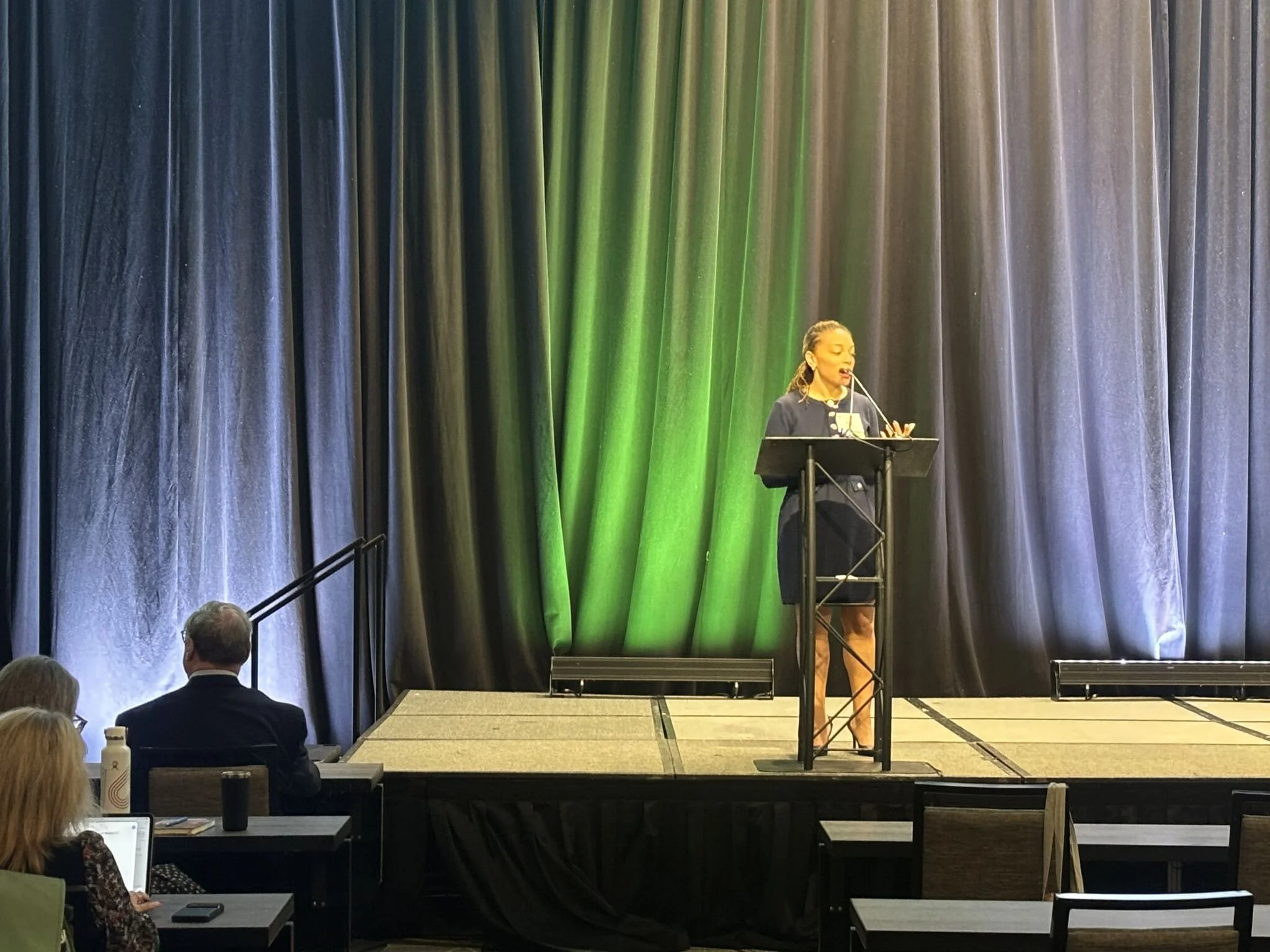
On March 5, I had the opportunity to address the Government Affairs Committee of the Biological Products Industry Alliance (BPIA) on the evolving political landscape and what it means for agriculture, biological innovation, and regulatory policy.
The conversation focused on a simple but important reality: while Washington remains highly polarized and legislative uncertainty continues, companies cannot afford to wait for election outcomes before developing their government affairs strategies. The decisions made over the next 18 months will shape the operating environment for agriculture and biological products well into 2027 and beyond.
The Era of Narrow Margins
One of the defining characteristics of the current Congress is the extraordinarily narrow margins in both the House and Senate. While divided government often creates legislative gridlock, it also creates a different kind of opportunity.
The likelihood of sweeping legislative reforms remains low. Large-scale statutory changes, comprehensive environmental reforms, major Farm Bill overhauls, and broad regulatory rewrites face significant political obstacles. Instead, policymakers are likely to focus on incremental actions, targeted bipartisan measures, oversight activities, and annual appropriations bills.
For industry leaders, this means recalibrating expectations. Success is less likely to come from landmark legislation and more likely to come through strategic engagement around smaller policy opportunities that can gain bipartisan support.
Why Appropriations Matter More Than Ever
One of the key messages I shared with BPIA members is that appropriations will be the primary federal policy vehicle through 2026.
When Congress struggles to advance major legislation, funding bills become the mechanism through which lawmakers influence agency priorities, direct resources, and shape regulatory implementation. For sectors dependent on innovation, research, and science-based regulation, appropriations discussions deserve the same level of attention traditionally reserved for authorizing legislation.
Organizations that understand how to engage effectively during the appropriations process will be better positioned to protect priorities and advance practical policy objectives.
Oversight Is the New Policy Arena
Another important trend is the growing role of congressional oversight.
Regardless of whether Congress remains divided or shifts political control after the midterm elections, oversight activity is expected to increase. Committees will continue examining agency actions, regulatory decisions, implementation practices, and enforcement priorities.
For companies operating in highly regulated sectors, this means policy outcomes will increasingly be shaped by agency behavior rather than new legislation.
As a result, industry groups should devote greater attention to agency engagement, rulemaking participation, implementation guidance, and administrative consistency. The organizations that proactively engage regulators and policymakers will be better positioned than those waiting for Congress to act.
Preparing for Political Change
While no election outcome is guaranteed, prudent organizations prepare for multiple scenarios.
If control of Congress changes in 2026, we can expect increased scrutiny of executive branch actions, heightened oversight activity, and a stronger emphasis on affordability, consumer protection, and accountability. Regulatory agencies may become more cautious, and industry stakeholders should be prepared for greater examination of safety, efficacy, labeling, and implementation practices.
The lesson is not to predict the outcome—it is to prepare for the possibility.
Government affairs professionals should begin developing messaging frameworks now, strengthening bipartisan relationships, and evaluating how their priorities would be received under different governing coalitions.
Building Relationships Before You Need Them
Perhaps the most important point of the discussion centered on stakeholder engagement.
In today's environment, policy victories increasingly depend on trust, credibility, and coalition-building. That includes engagement not only with policymakers, but also with nongovernmental organizations, advocacy groups, and other stakeholders who influence public policy conversations.
Early and consistent engagement with NGOs can help build bridges, foster understanding, and identify areas of common interest. These relationships are often most effective when developed before disagreements arise, creating a foundation for constructive dialogue when difficult policy questions emerge.
For the biological products industry, collaboration and transparency can help create an environment where innovation and public trust advance together.
The Bottom Line
The period between now and 2027 is unlikely to be defined by sweeping legislative reform. Instead, it will be shaped by appropriations, oversight, regulatory implementation, and political uncertainty.
Organizations should focus on:
Monitoring appropriations opportunities.
Preparing for increased oversight activity.
Engaging agencies early and often.
Building bipartisan relationships.
Strengthening compliance and transparency efforts.
Developing proactive relationships with NGOs and external stakeholders.
The most successful organizations will not be those waiting for certainty. They will be the ones preparing today for multiple possible futures.
In a volatile political environment, predictability becomes a competitive advantage—and preparation is the best way to achieve it.
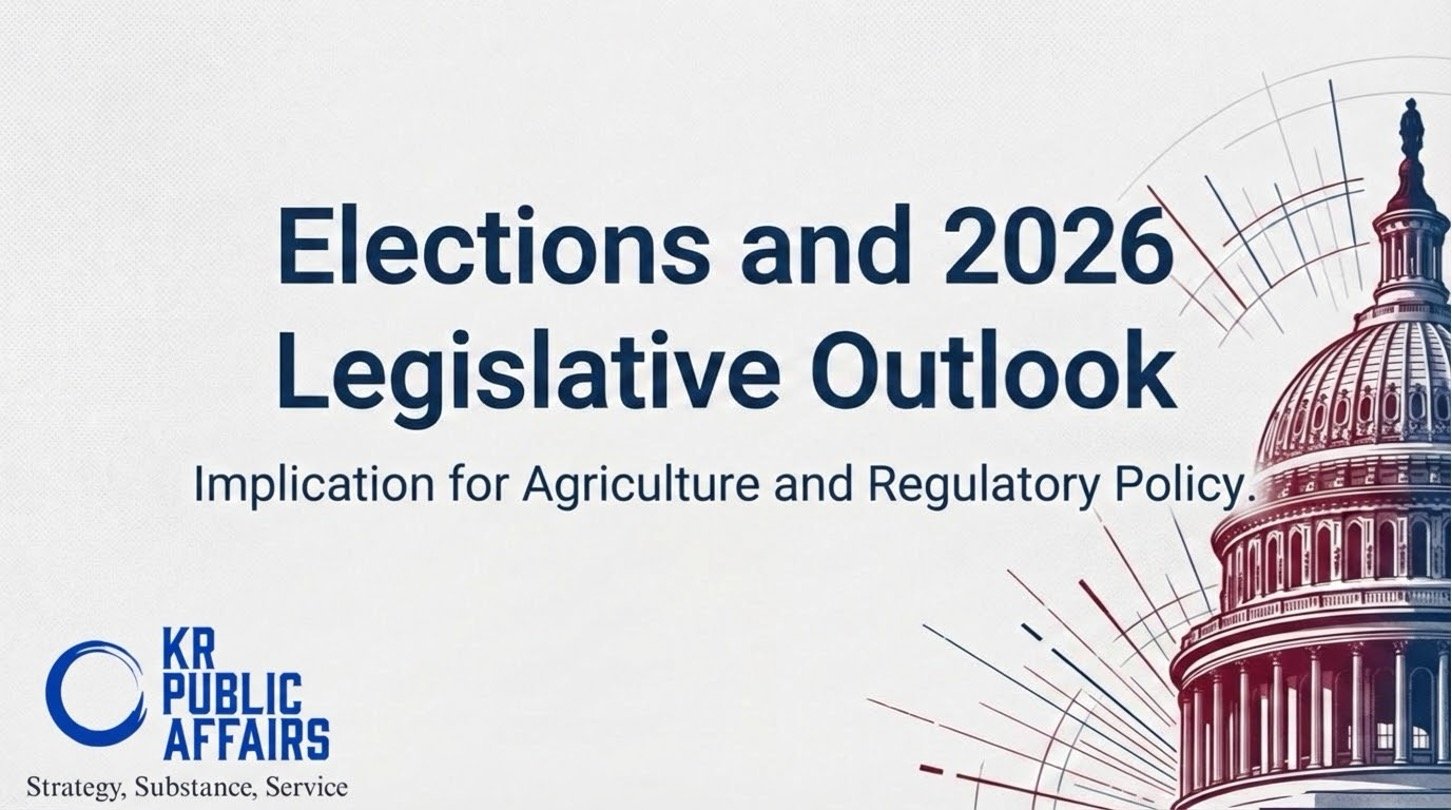
Click Link to View Presentation.
